


Why Early Detection Matters – Insights by Dr. Ranjana Parekh
Cervical cancer is one of the most preventable yet commonly overlooked health issues among women in India. In Vadodara, many women avoid or delay screening due to lack of awareness, fear, or busy lifestyles. According to Dr. Ranjana Parekh, a trusted gynaecologist in Vadodara, cervical cancer is highly treatable when detected early — and simple screening tests like the Pap smear can save lives.
This blog explains why early detection is crucial and how regular screening protects long-term health.
What Is Cervical Cancer?
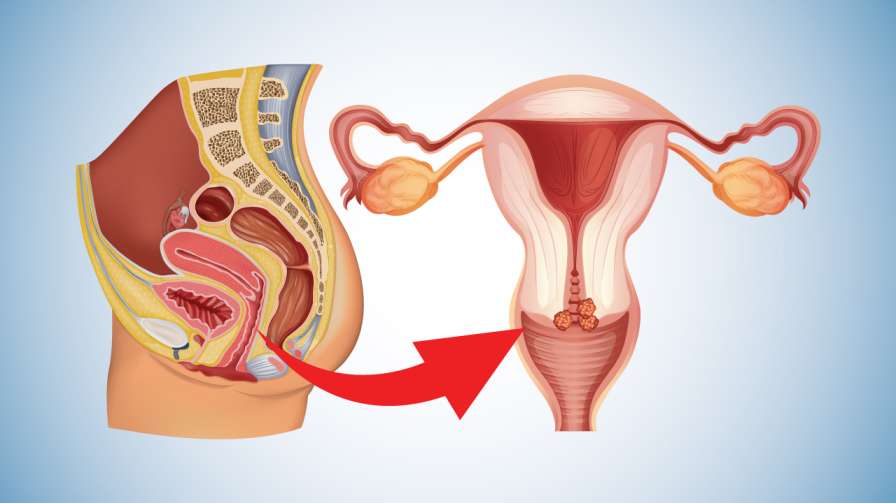
Cervical cancer develops in the cervix — the lower part of the uterus. Most cases occur due to persistent infection with HPV (Human Papillomavirus), which spreads through skin-to-skin contact.
The good news?
Cervical cancer is slow-growing, and early stages show no noticeable symptoms. That’s why screening becomes essential.
Why Vadodara Women Must Take Screening Seriously
In Vadodara, lifestyle changes, delayed childbirth, and lack of routine gynecology visits have contributed to increasing cervical health risks.
Dr. Ranjana Parekh emphasizes that women should not wait for symptoms, because:
- Early stages are painless
- There are no visible signs
- Delay often leads to advanced-stage cancer
Routine Pap smears help detect any abnormal cell changes long before they turn into cancer.
Who Should Get a Pap Smear?
Women should start screening at:
- Age 21–65 years
- Every 3 years for Pap smear
- Every 5 years if combined with HPV testing
Women with additional risk factors may require more frequent check-ups.
Symptoms That Should Not Be Ignored
While early stages show no symptoms, advanced stages may include:
- Abnormal vaginal bleeding
- Bleeding after intercourse
- Pelvic pain
- Unusual discharge
These symptoms should be evaluated by a gynecologist immediately.
How Cervical Screening Works
Screening is simple, quick, and usually painless.
At KK Multispeciality Hospital, Vadodara, the screening process includes:
1. Pap Smear Test
Detects abnormal cell changes early.
2. HPV Testing
Identifies high-risk HPV strains.
3. Pelvic Examination
Checks uterus, cervix, and ovaries.
4. Cervical Cancer Vaccination
Recommended for girls and women aged 9–45.
These tests help prevent 90% of cervical cancer cases.
Why Early Detection Matters
Early detection offers:
- Higher treatment success
- Lower medical costs
- Minimal complications
- Better long-term health
Dr. Ranjana Parekh stresses that early-stage cervical changes are easily treatable and often reversible.
How Women in Vadodara Can Reduce Risk
- Get Pap smear regularly
- Take HPV vaccination
- Avoid smoking
- Maintain good intimate hygiene
- Practice safe sexual habits
- Follow a healthy lifestyle
Women above 35 are especially encouraged to get regular screenings, as hormonal changes can increase risk.
Final Thoughts
Cervical cancer is preventable, treatable, and manageable — but only when detected early. With the expert care of Dr. Ranjana Parekh and the advanced diagnostic facilities at KK Multispeciality Hospital, Vadodara, women can ensure long-term reproductive and cervical health.our schedule.