


Advice from Dr. Ranjana Parekh in Vadodara
Menopause is a natural phase in every woman’s life, usually occurring between the ages of 45 and 55. However, many women in Vadodara begin experiencing early menopausal symptoms even in their late 30s or early 40s due to lifestyle changes, stress, irregular sleep cycles, and hormonal imbalance. According to Dr. Ranjana Parekh, one of Vadodara’s most trusted gynecologists, understanding menopause and seeking timely guidance can reduce discomfort and improve quality of life.
Understanding Menopause
Menopause marks the end of menstrual cycles and fertility. It is officially diagnosed when a woman has not had her period for 12 consecutive months.
The transition leading to menopause, known as perimenopause, can last several years and cause noticeable physical and emotional changes.
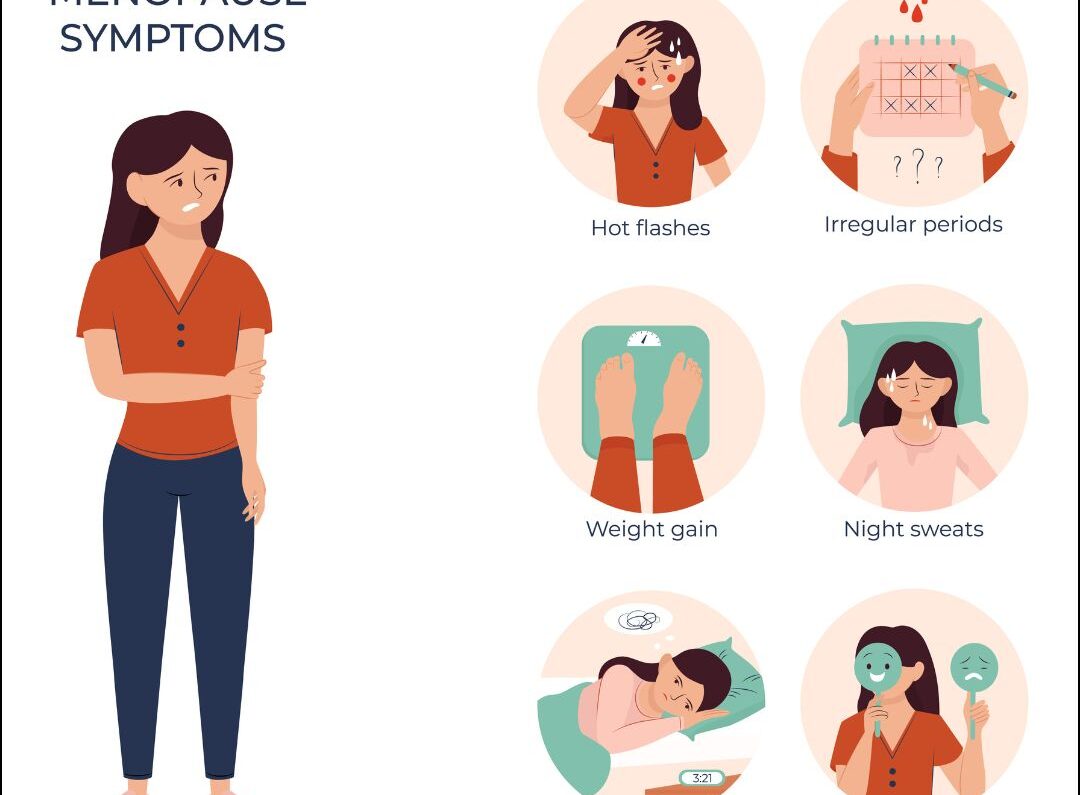
Common Menopause Symptoms Women Face in Vadodara
Women often report a mix of physical and emotional symptoms, such as:
- Hot flashes or sudden warmth
- Night sweats
- Irregular or heavy periods
- Sleep disturbance
- Mood swings or irritability
- Weight gain
- Low energy levels
- Vaginal dryness
- Reduced sexual desire
- Joint pain or stiffness
These symptoms differ for every woman but are manageable when properly understood.
Why Do Menopause Symptoms Feel Worse Today?
According to Dr. Ranjana Parekh, modern lifestyle factors make symptoms more intense, including:
- High stress levels
- Sedentary work
- Poor sleep hygiene
- Excessive caffeine
- Lack of sunlight (Vitamin D deficiency)
- Hormonal disturbances
- Unbalanced diet
Women often ignore early symptoms due to family and work responsibilities, leading to worsening discomfort.
Practical Solutions Recommended by Dr. Ranjana Parekh
1. Regular Gynecological Check-ups
Women above 35 should undergo yearly check-ups to monitor hormonal levels, uterus health, and overall well-being.
2. Hormonal Evaluation
Simple blood tests help detect thyroid issues, estrogen-progesterone imbalance, and vitamin deficiencies.
3. Diet Modifications
Dr. Ranjana Parekh suggests:
- High-protein meals
- Calcium-rich foods
- Vitamin D and B12 supplements
- Fresh fruits and vegetables
- Reduced sugar and processed food
These improve energy and regulate hormonal fluctuations.
4. Lifestyle & Fitness
Regular exercise helps in:
- Weight control
- Reducing stress
- Strengthening bones
- Improving mood
Activities like yoga, walking, and strength training are highly beneficial.
5. Managing Hot Flashes
Simple methods like layered clothing, drinking cold water, avoiding spicy foods, and staying hydrated reduce symptoms.
6. Mental & Emotional Wellness
Mood swings are common. Techniques like meditation, mindfulness, and therapy support emotional stability.
7. Medical Treatment When Needed
Some women may require:
- Hormone Replacement Therapy (HRT)
- Vaginal estrogen gels
- Medications for sleep or mood balance
These are prescribed only after medical evaluation.
The Role of Screening After 40
Dr. Ranjana Parekh strongly recommends:
- Pap smear
- Cervical cancer vaccination
- Breast examination
- Bone density test
These screenings help detect problems early and prevent complications.
Final Thoughts
Menopause is not a disease—it’s a natural transition. With proper guidance from Dr. Ranjana Parekh, Vadodara women can experience a smoother, healthier, and more comfortable menopause journey. If you’re facing symptoms that affect your daily life, seeking timely medical advice can make all the difference.